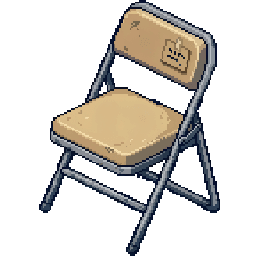
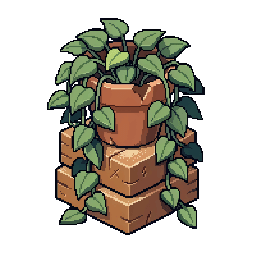
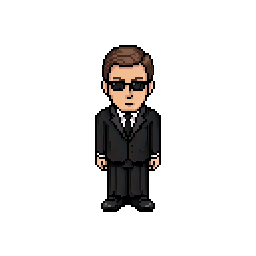
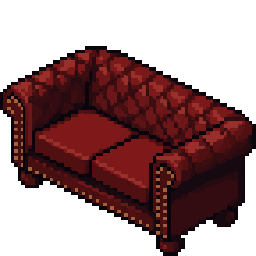
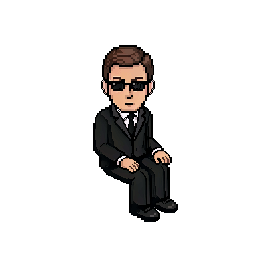
A full game loop shipped end-to-end in one sitting. The game now has a 10-mission Garage-tier ladder (walk around, meet your team, open inbox, reply to a lead, visit lobby, visit tower, spend your first credits, decorate your office, send outreach, land $1 MRR), soft-currency credits earned on completion, and a HUD-button shop selling 18 furniture items at 10–200 credits — five of them gated behind specific missions.
Architecture: one engine module is the only path that mutates progression. Every gameplay event flows through `recordEvent()`, which is atomic, idempotent (deterministic key per logical action), and produces a typed result for the UI to render toasts + update the always-visible quest widget. Schema includes V2 columns (`credits_premium`, `counter_scope`, `repeatable`) populated with neutral defaults so daily quests, dual currency, and farmable missions can ship later with zero migration.
Industry research informed the design: counter-based engine pattern from GS2-Mission, event-ledger from Trophy.so ("single metric event"), idempotency keys from PlayFab Economy v2, always-visible quest widget from WoW Focus tracker + Genshin Impact. Spec, 21-task plan, and a subagent-driven execution log all in `/docs/superpowers/`.
One bug landed in production: every shop card rendered a broken-image placeholder. The ShopDrawer was hardcoding `/assets/sprites/<key>.png`, but furniture sprites moved to the Blob CDN with content-hashed filenames the week before. Fix was three lines — resolve through the manifest the same way Phaser scenes do, with a placeholder for keys missing from the manifest.